

Knee pain can be debilitating, affecting everything from walking to playing your favourite sports. It’s no surprise that knee problems are one of the most common musculoskeletal issues people experience. Whether it’s everyday wear and tear or a sudden injury, understanding the root cause of knee pain is key to finding effective treatments and, ultimately, getting you back on your feet. In this blog post, we’ll explore some of the most common causes of knee pain so you can make informed decisions about how to manage and prevent this problem in the future!
Anatomy of the Knee Explained
Many things can cause knee pain, but oftentimes the root of the problem can be traced back to the anatomy of the knee. To better understand why your knee hurts, it helps to have a basic understanding of the knee joint and the surrounding structures.
The knee is a hinge joint that connects the thigh bone (femur) to the shin bone (tibia). The kneecap (patella) sits in front of the joint and protects it. The ends of these bones are covered with smooth cartilage that allows them to move smoothly against each other.
Several strong ligaments hold the knee joint together and provide stability. The medial collateral ligament (MCL) runs down the inside of the knee and prevents it from bowing outward. The lateral collateral ligament (LCL) runs down the outside of the knee and prevents it from bowing inward. The anterior cruciate ligament (ACL) crosses in front of the knee and prevents too much forward movement of the shin bone. The posterior cruciate ligament (PCL) crosses behind the knee and prevents too much backward movement of the shin bone.
The meniscus is a C-shaped piece of cartilage that acts as a shock absorber between the femur and tibia. There is one located on each side of the knee joint.
All of these structures work together to allow us to walk, run, jump, and bend our knees without pain.
Common Causes of Knee Pain
There are a number of potential causes of knee pain, and the precise source of your pain can be difficult to determine. However, some of the most common causes of knee pain include:
• Arthritis: Osteoarthritis is the most common form of arthritis, and it can cause knee pain as the cartilage between the bones breaks down. Rheumatoid arthritis is another type of arthritis that can also lead to knee pain.
• Bursitis: This is an inflammation of the fluid-filled sacs (bursae) that cushion the bones, muscles, and tendons around the joint. Bursitis often occurs in conjunction with other forms of arthritis.
• Tendonitis: This is an inflammation of the tendons that attach the muscles to the bone. Tendonitis can be caused by overuse or repetitive motions.
• Injury: A direct blow to the kneecap or a sudden twist or rotation of the knee can cause injury to the ligaments, tendons, or cartilage and result in pain.

How Osteopathy can Help
There are many different causes of knee pain, and often more than one factor is at play. Osteopathy can help to provide relief from knee pain by addressing the underlying causes.
Osteopathy can help to improve joint function and range of motion in the knee, as well as increasing blood circulation and reducing inflammation. Osteopathic techniques can also help to release muscular tension around the knee, which may be contributing to pain.
If you are suffering from knee pain, osteopathy may be able to help. Book in for a consultation with an osteopath today to see how we can help you achieve lasting relief.
Tips for Relieving Knee Pain
Experiencing knee pain can be extremely frustrating, especially if it affects your ability to complete everyday tasks or participate in activities you enjoy. If you’re dealing with knee pain, there are a few things you can do to help ease the discomfort and improve your quality of life.
First, take a break from any high-impact activities that may be aggravating your knees. If you’re a runner, for example, try switching to swimming or biking for a while. You might also want to consider using an ice pack or heat pad on your knees for 20 minutes at a time several times a day.
Second, focus on strengthening the muscles around your knees with exercises like lunges and squats. Stronger muscles will help take some of the pressure off of your joints and may help reduce pain in the long run.
Make sure you’re wearing supportive shoes that fit well and provide adequate cushioning. Wearing shoes that don’t fit properly or offer enough support can exacerbate knee pain and lead to further injury.
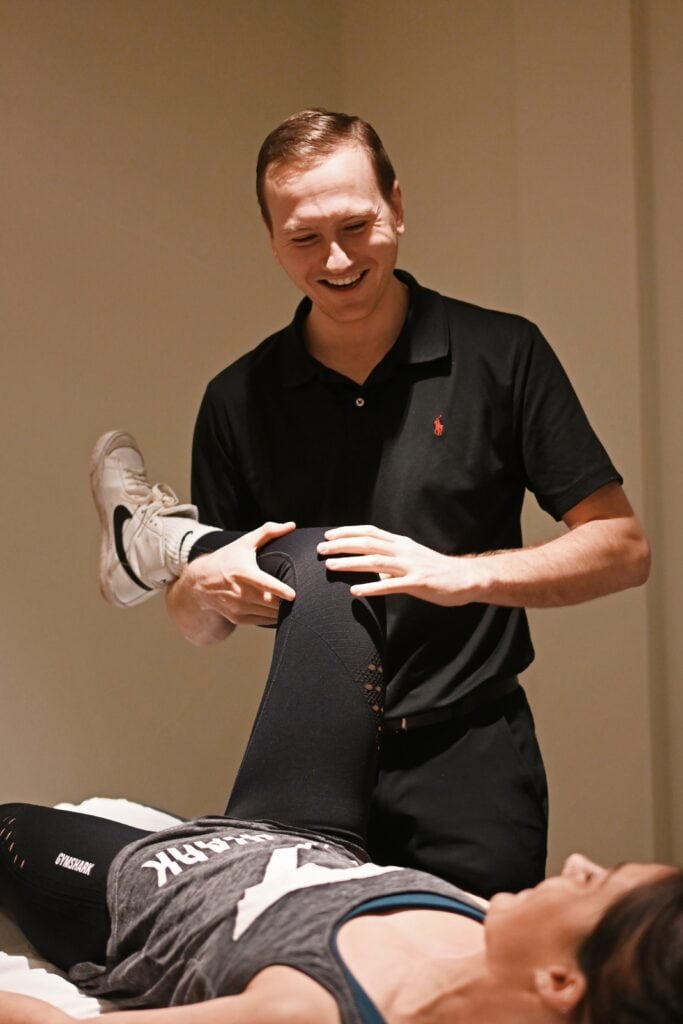
In conclusion, knee pain can be caused by a variety of different factors. It’s important to understand that the causes of your knee pain may vary depending on the type and severity of your injury or condition. Learning about the various conditions associated with knee pain as well as engaging in regular exercise and dietary changes can help you reduce your risk for future incidents of knee pain. Additionally, seeking out professional advice from a physician equipped to diagnose and treat these issues is always advised if symptoms persist.

At Body Beliefs, we pride ourselves on “exceeding expectations“, as evidenced by the glowing 5-star reviews from our satisfied patients on platforms such as Google Reviews and Facebook. To schedule an appointment, please book online or call 01277 676 676.

