
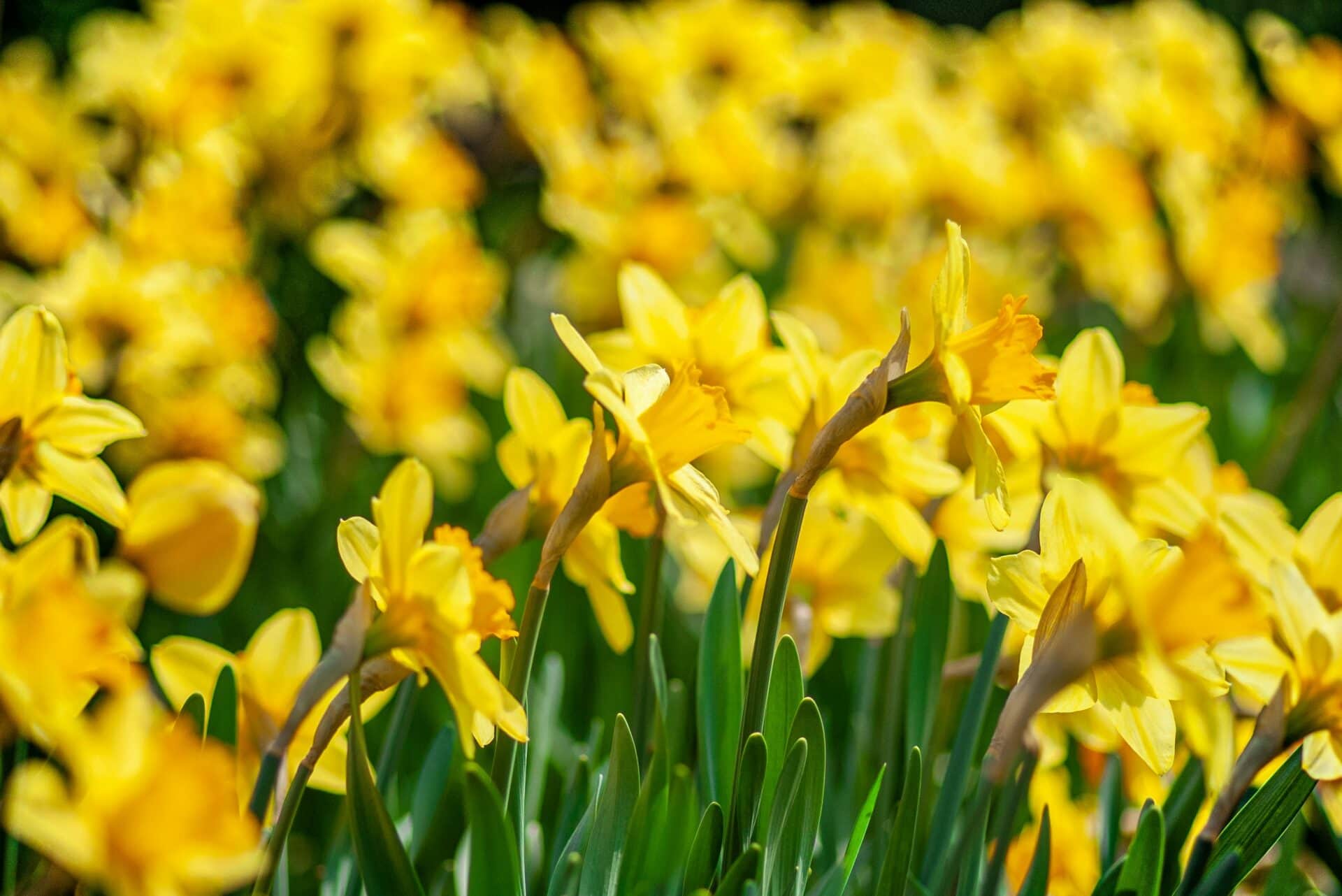
As the first daffodils peek through and temperatures begin to rise, many of us feel that irresistible urge to dive into spring gardening. However, at Body Beliefs Osteopathy, we typically see a significant increase in gardening injuries during these early spring months. Let’s ensure you can enjoy your gardening activities safely while protecting your body from unnecessary strain and potential injuries.
The Joy and Benefits of Gardening
While we focus on safety, it’s important to celebrate why gardening is such a wonderful activity. Research published in the Journal of Public Health (2024) shows that regular gardening can reduce stress levels by up to 45% and lower the risk of depression by 30%.

At Body Beliefs, we’ve seen firsthand how gardening provides a perfect blend of physical exercise, mental relaxation, and social connection. The physical benefits are impressive – just 30 minutes of general gardening can burn up to 200 calories, strengthen core muscles, and improve flexibility. Mentally, the connection with nature releases endorphins and reduces cortisol levels, creating a natural mood boost.
Many of our patients in Billericay have formed wonderful social connections through local gardening groups and community allotments, sharing tips, plants, and friendship. Even if you’re gardening solo, there’s something deeply satisfying about nurturing plants and creating your own peaceful sanctuary. This combination of physical activity, mental wellbeing, and social interaction makes gardening one of the most beneficial hobbies you can pursue – we just need to ensure we’re doing it safely to enjoy these rewards long-term.
The Reality of Gardening Injuries
According to a recent study by the Royal Horticultural Society (2024), one in ten Britons experiences a gardening-related injury annually, making it statistically more hazardous than skiing. As your local osteopath in Billericay, I’m committed to helping you avoid becoming part of these statistics and ensuring your gardening season starts safely.
Common Spring Gardening Pitfalls
The “Weekend Warrior” syndrome is perhaps the most frequent issue we encounter. After winter’s relative inactivity, enthusiastic gardeners often attempt to tackle everything in one weekend. This sudden burst of activity can overwhelm muscles and joints that haven’t been used much during the colder months.
Incorrect lifting techniques present another significant risk. Those heavy bags of compost and garden waste need proper handling. Your legs should do the heavy lifting, not your back. Many gardeners forget this fundamental principle in their enthusiasm to get tasks completed.
Prolonged poor postures while performing repetitive tasks like weeding or preparing new flower beds can lead to significant strain, particularly on your lower back and knees. These positions, when maintained for extended periods, often result in the most common gardening injuries we treat.
Smart Approach to Spring Gardening
The key to preventing gardening injuries lies in how you approach your tasks. Think of your garden as a project that needs careful planning rather than a race to completion. Start with a gentle walk around your garden, planning your tasks for the day or week ahead. This not only helps you organize your work but also gives your body a chance to warm up gently.

Begin with lighter tasks such as deadheading flowers or gentle pruning at chest height. These activities help your body adjust to the movement patterns of gardening without excessive strain. As your body warms up, you can progress to more demanding activities like light digging or forking.
Task Progression for Safety
Morning sessions are ideal for starting with gentler tasks when you’re fresh. Focus on activities like light weeding, pruning at comfortable heights, and general plant inspection. As your body warms up, move on to mid-level activities such as potting and repotting or planting smaller specimens.
Save the more demanding tasks for when your body is properly warmed up. Activities like digging new beds, moving heavy pots, or lifting bags of compost should never be your first task of the day. This progressive approach significantly reduces your risk of injury while allowing you to accomplish all necessary garden tasks.
Listening to Your Body
Your body will tell you when it’s time to take a break or switch tasks. Working in 20-30 minute intervals with short breaks in between allows your muscles to recover and helps prevent fatigue-related injuries. During these breaks, gentle stretching can help maintain flexibility and reduce muscle tension.
When to Seek Professional Help
If you experience persistent pain or discomfort that lasts more than a few days, it’s crucial to seek professional help. As an experienced osteopath, I can assess your condition and provide appropriate treatment and advice to get you back to gardening safely. Prevention is always better than cure, and considering a preventative osteopathy session before starting your spring gardening projects can be invaluable.
Remember, gardening should be an enjoyable activity that benefits both your physical and mental health. By following these guidelines and listening to your body, you can maintain your garden while keeping your body healthy and strong.
Need Expert Advice?
If you’re experiencing gardening-related aches and pains, or want to prevent them, book an appointment at Body Beliefs. Call us on 01277 676 676 or visit our website www.bodybeliefs.co.uk. We’re here to help keep you active and pain-free this spring season.
Remember: A beautiful garden is wonderful, but a healthy body is essential to enjoy it. Take care of both this spring!

