
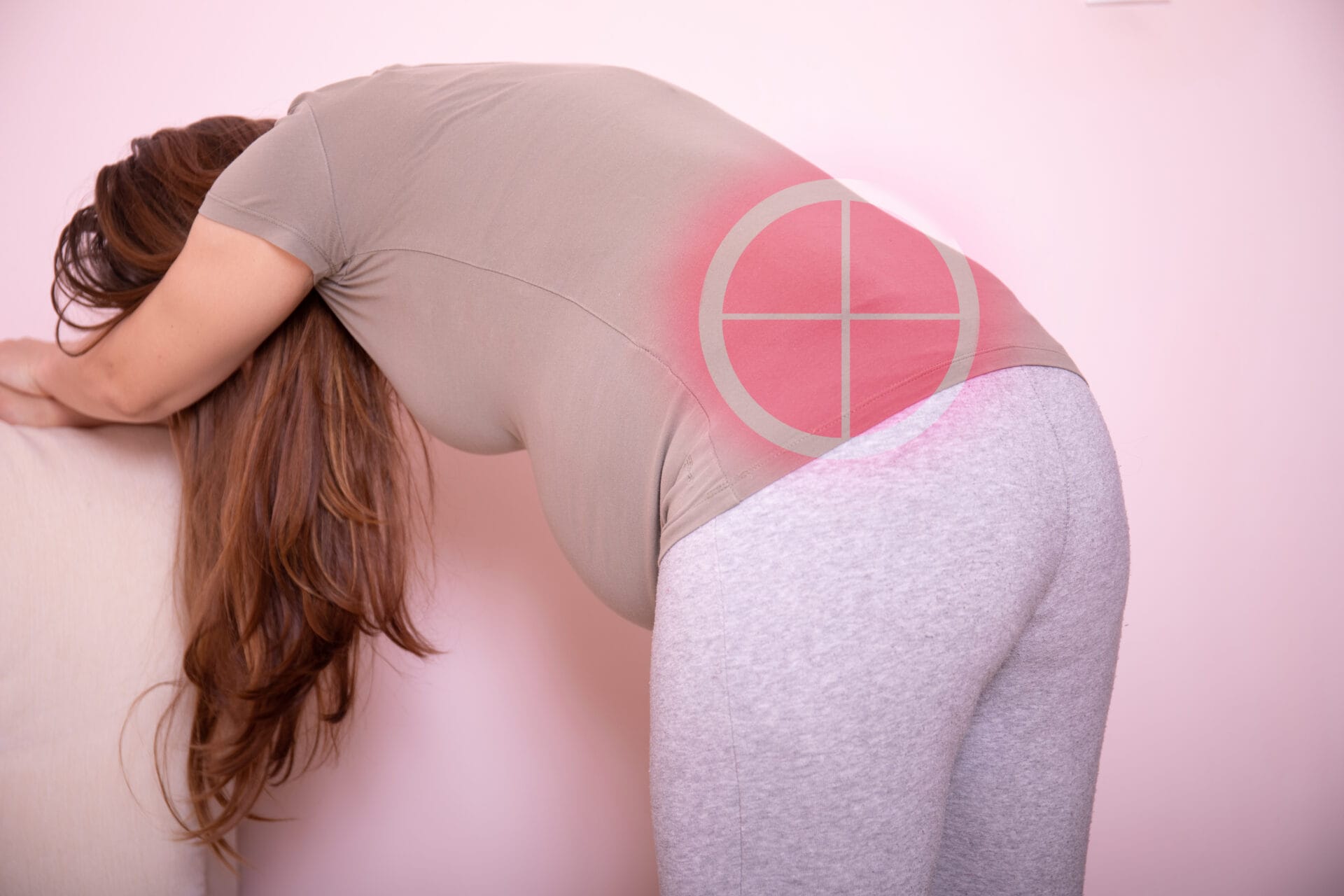
Hip pain during pregnancy is more common than many people realise, and when it spreads down into the thighs and knees, it can make everyday life genuinely exhausting.
This case study follows a 32-year-old city worker in her second trimester who came to us with persistent hip pain that was disturbing her sleep and making long journeys uncomfortable. Through a structured osteopathic treatment plan and targeted home exercises, she was able to significantly reduce her pain levels and stay as active as possible throughout her pregnancy.
If you’re searching for an experienced osteopath in Billericay for pregnancy-related pain, this will help you understand what treatment can look like and what progress is achievable.
The Problem: Hip Pain Spreading to the Thighs and Knees
This patient presented with:
- Hip pain radiating into both thighs and down toward the knees
- Symptoms most noticeable at night and upon waking in the morning
- Significant discomfort when lying on her side
- Pain during long car journeys or periods of sitting
Symptoms had been present for approximately one month and were noticeably interfering with rest and daily comfort. She had no relevant medical history prior to pregnancy, and the pain had developed as her pregnancy progressed.
Diagnosis: IT Band Syndrome Related to Pregnancy
Following a detailed case history and thorough clinical examination, the diagnosis was iliotibial (IT) band syndrome, predisposed and maintained by the physical changes of pregnancy.
Pregnancy causes a gradual shift in posture and biomechanics as the body adapts to increased weight and changes in the centre of gravity. This places additional load on the hips, pelvis, and surrounding musculature, including the IT band, tensor fasciae latae (TFL), and gluteal muscles, making IT band irritation a relatively common presentation during the second and third trimesters.
As an osteopath in Billericay, assessment takes into account not just the site of pain, but the full picture of how pregnancy is affecting posture, movement, and muscle loading across the body.
Treatment: Supporting the Body Through Pregnancy
Treatment focused on reducing muscular tension, improving hip mobility, and supporting the body’s ability to adapt to the changes of pregnancy.
Osteopathic techniques included:
- Hip mobilisations and circumductions to restore comfortable range of movement
- Neuromuscular technique (NMT) applied to the glutes, IT band, TFL, lumbar erector spinae (LES), and quadratus lumborum (QL)
All treatment was adapted to be safe and appropriate for pregnancy, with positioning and technique choices made with her and her baby’s comfort in mind.
Home Exercises & Self-Care
To support her progress between sessions, she was given a simple home exercise programme to perform twice daily:
- Pillow squeeze: to activate the inner thighs and support pelvic stability
- Clam exercise: to strengthen the gluteal muscles and reduce IT band load
- Regular walking: to maintain gentle movement and support overall circulation
These exercises were chosen to be practical and manageable during pregnancy, without placing excessive strain on the joints or pelvic floor.
Progress: From Constant Pain to Manageable Discomfort
After the first session, she reported feeling noticeably better within the first week. She had been completing her exercises twice a day as advised. While the pain was still present, she described it as “not as intense”, an encouraging early sign that the treatment approach was working.
By the third session (three weeks later), her exercises had clearly made a meaningful difference. The intensity of the pain had reduced further, and she was feeling more in control of her symptoms. As her pregnancy progressed, she also began experiencing some additional musculoskeletal changes related to postural shifts, a normal part of pregnancy that we were able to address as part of her ongoing care.
Overall, she was able to continue with daily activities without pain being the limiting factor. Energy levels, as expected during pregnancy, were naturally lower, but the hip and leg pain was no longer stopping her from getting on with her day.
Approximately two weeks after her third session, she reported feeling significantly better and was encouraged to continue with her home exercises to maintain that progress.
Long-Term Advice & Prevention
She was advised to continue with her exercise programme throughout the remainder of her pregnancy to maintain pelvic stability and reduce the likelihood of symptoms returning or worsening.
Staying gently active, maintaining good posture, and continuing with the targeted exercises are all key to supporting the body as it continues to change.
Pregnancy Hip Pain Treatment with an Osteopath in Billericay
Hip pain during pregnancy can make an already demanding time feel even harder, particularly when it’s affecting your sleep and your ability to move comfortably through the day.
With the right treatment, it is possible to reduce pain, improve function, and feel more supported in your body throughout pregnancy.
If you’re experiencing hip, thigh, or knee pain during pregnancy, booking an assessment with an experienced osteopath in Billericay is a great first step toward understanding what’s causing it and what can be done.

