
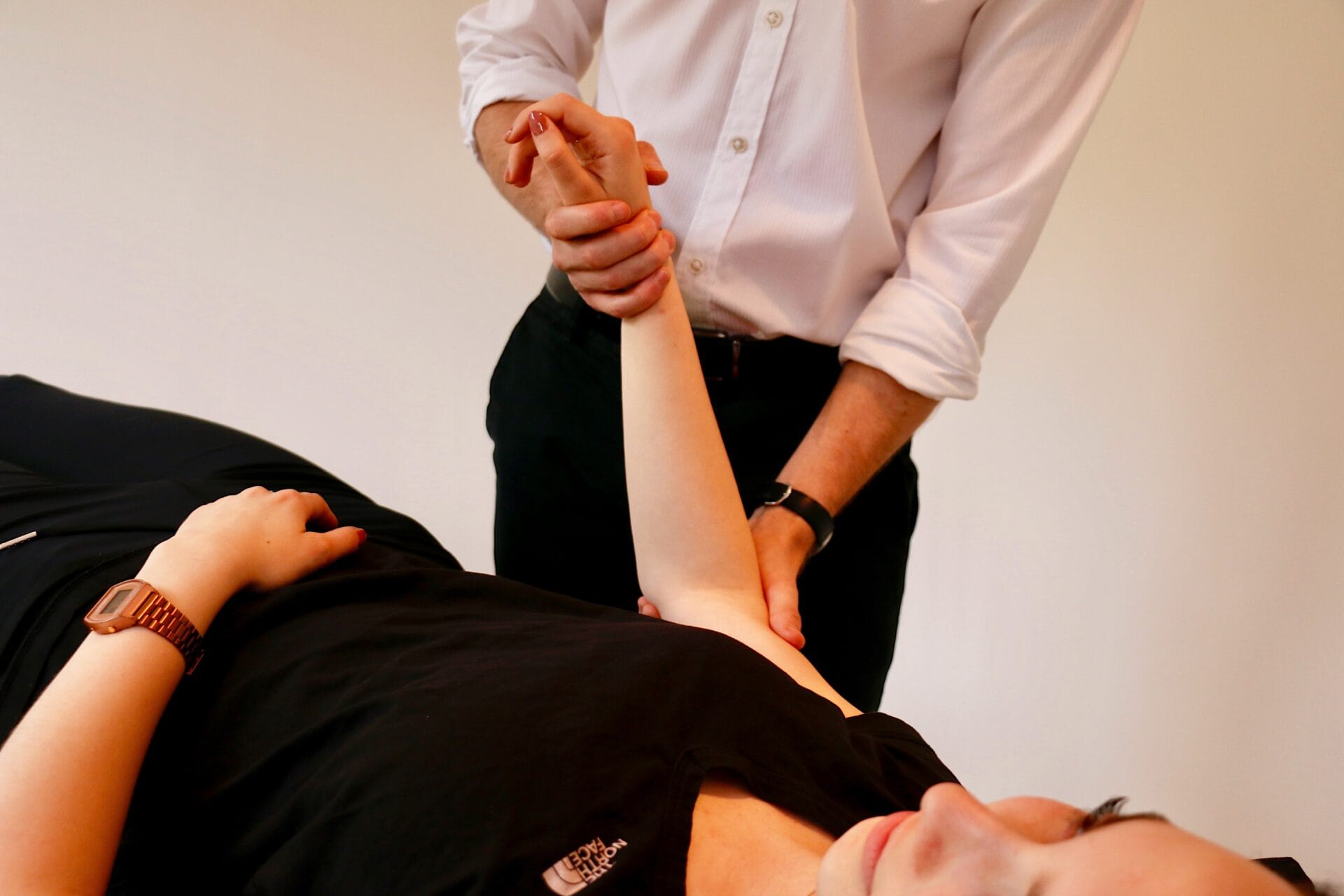
Are you unsure of how often you should see an osteopath for pain releif, injury recovery or maintenance? Our latest blog post delves into the recommended frequency of osteopathic consultations, as well as the factors that can affect it. Keep reading for expert insight and advice and an answer to “how often should you see an osteopath”.
What is an Osteopath?
Osteopaths are highly trained Allied Health Professionals who are well known for their expertise in the evaluation, diagnosis and management of the entire musculoskeletal system (muscles, joints and ligaments) and its relationship with other systems in the body. Osteopaths use a variety of techniques, such as manipulation of the joints, muscles, and connective tissue, to diagnose and treat a wide range of conditions. They take a holistic approach to health, looking at the body as a whole and considering how all of the body’s systems are connected.
How Often Should You See An Osteopath?
The frequency of your visits to an osteopath will depend on your individual needs and the condition being treated. In the initial stages of treatment, it is common to have appointments more frequently, usually once a week, and then as symptoms improve, the frequency can be reduced. For acute conditions, such as a recent injury or a recent flare-up of a long-term condition, more frequent visits may be necessary to achieve optimal results.
For chronic conditions, such as long-term pain or headaches, the frequency of visits may be less frequent, such as once a month, to help maintain the results achieved during the acute stage of treatment. It’s important to note that chronic conditions often require a longer-term management approach and frequent visits to the osteopath may be necessary to manage the symptoms effectively.
If you’re receiving osteopathic treatment for a specific condition, your osteopath will work with you to develop a treatment plan that is tailored to your individual needs. They will also advise you on the frequency of visits and make adjustments to your treatment plan as needed. It’s important to communicate with your osteopath about any changes in your symptoms or overall health and to follow their recommendations for the frequency of visits.
Osteopathy is not only for treating pain, but also for maintaining overall health and well-being. Therefore, some patients opt to have a maintenance session on a regular basis. These sessions are designed to prevent the onset of new conditions and to help manage existing ones. For example, if you have a history of back pain, regular osteopathic treatment can help keep the pain at bay and prevent future flare-ups.
Another important factor to consider is the stage of healing. In the early stages of healing, more frequent visits may be necessary to help the body repair and recover. As the body begins to heal, the frequency of visits can be reduced. This is because the body’s ability to repair and recover increases as the healing process progresses. However, it’s important to note that the healing process is different for everyone and your osteopath will advise you on the best course of treatment for your individual needs.
It’s also worth noting that the frequency of visits can be affected by other factors such as your overall health and lifestyle. For example, if you lead a sedentary lifestyle or have a high-stress job, you may need more frequent visits to help manage the symptoms. Similarly, if you have a high-impact job or are involved in sports, you may need more frequent visits to help manage the increased wear and tear on your body.
In conclusion, the frequency of your visits to an osteopath will depend on your individual needs and the condition being treated. Your osteopath will work with you to develop a treatment plan that is tailored to your needs, and will advise you on the frequency of visits and make adjustments to your treatment plan as needed. It’s important to communicate with your osteopath about any changes in your symptoms or overall health and to follow their recommendations for the frequency of visits. Remember that osteopathy is not just for treating pain, but also for maintaining overall health and well-being. Regular visits to an osteopath can help prevent the onset of new conditions and manage existing ones, ensuring that

