

Are you a Billericay runner struggling to find the best running shoes to prevent or manage injuries? As your local osteopath, we’ve helped hundreds of runners from Billericay, whether they’re running the Lake Meadows Parkrun, Brentwood half, London Marathon or other fantastic runs. Let’s face it – with the beautiful trails around Billericay, you need footwear that keeps you running comfortably and injury-free!
Local Runner’s Corner
Here in Billericay, we see a mix of road and trail runners, from Mill Meadows regulars to Norsey Wood explorers. Each terrain demands different shoe characteristics, and at Body Beliefs, we’ve helped local runners tackle everything from Lake Meadows parkrun to the Billericay Striders’ routes. Whether you’re training for the Billericay 10k or just enjoying our local running scenes, having the right shoes is crucial for preventing those common injuries we treat at Body Beliefs.
The Three Bears of Running Shoes 🐻
Remember Goldilocks? Finding the right running shoe is similar – some are too hard, some too soft, but the right one is… just right! Here’s what to consider:
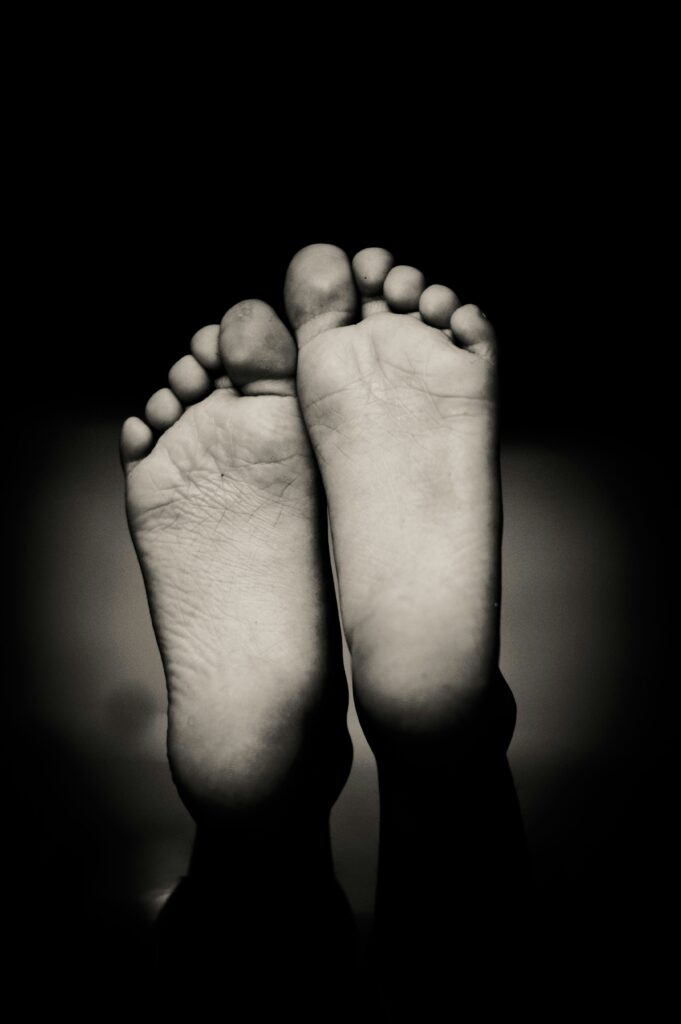
Know Your Feet Type
Flat as a pancake? High arched like a Roman bridge? Somewhere in the middle?
Your foot type plays a huge role in choosing the right shoe. Not sure? Try the wet footprint test – step out of the shower onto a dark piece of paper and check your footprint shape. (Just don’t blame us for the wet floor! 😉)
The Magic Word:
Comfort. Despite all the fancy technology and marketing promises, comfort is king! Research shows that when runners choose shoes they find comfortable, they naturally select ones that work best for their running style.
Red Flags to Watch For 🚩
- Toes feeling cramped? Size up!
- Heel slipping? Try different lacing
- Feet falling asleep? Might be too tight
- Bank account crying? Think of it as an investment in your joints!
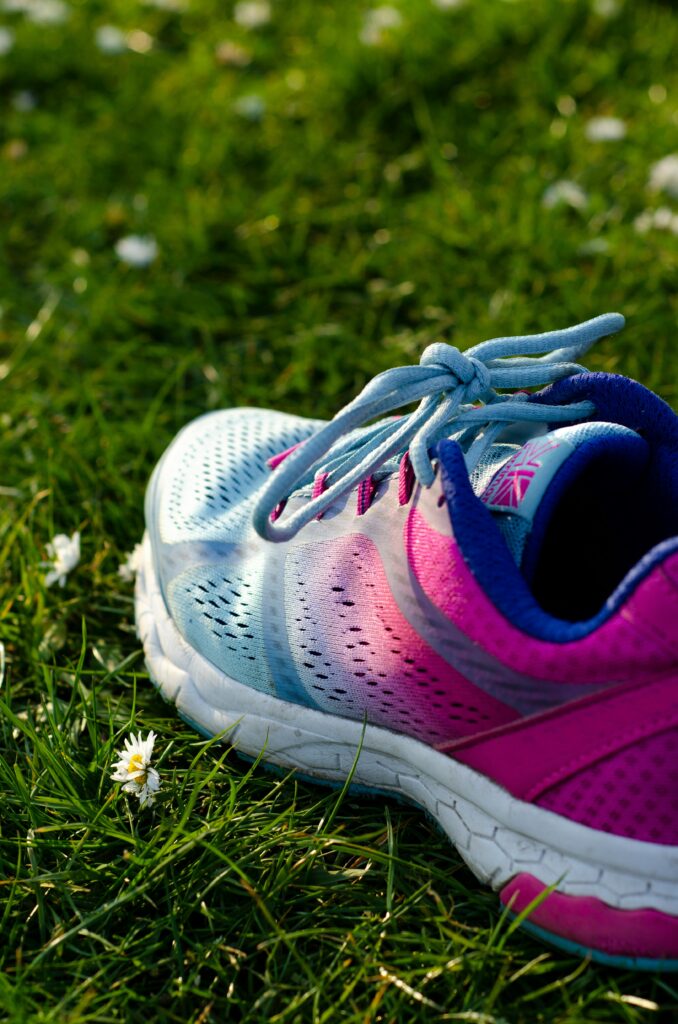
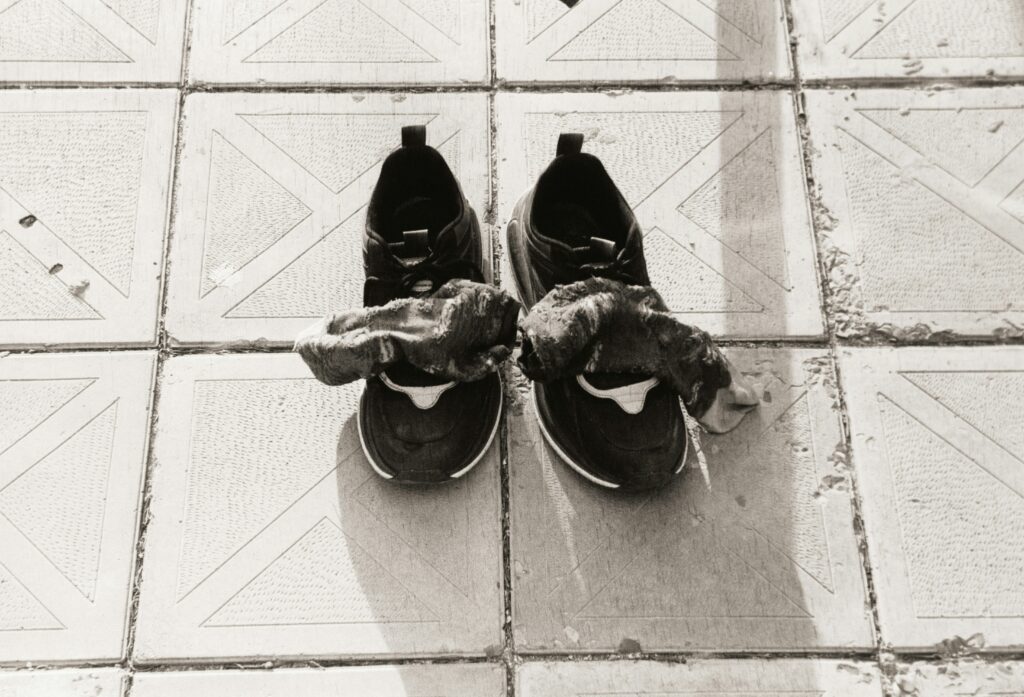
The “When to Replace” Guide
- General rule: 400-500 miles
- Signs it’s time:
- Sole looking more worn than your favourite jeans
- Strange aches appearing
- That “fresh bounce” feeling has gone flat
Pro Tips from the Treatment Room 💡
As an osteopath, I’ve seen countless running-related injuries that could have been prevented with proper footwear. Here’s what I tell my patients:
- Shop Late: Your feet swell throughout the day (just like after a run), so shoe shopping in the afternoon gives you a more accurate fit.
- Bring Your Old Shoes: The wear pattern tells a story about how you run – bring them along when shopping for new ones.
- Test Drive: Any good running shop should let you take a short run in the shoes. If they don’t, run away (in your old shoes, of course!)
When to Seek Help
If you’re experiencing persistent pain even with new shoes, it might be time for a professional assessment. At Body Beliefs, we can help identify any underlying issues that might be affecting your running style.
Remember: There’s no such thing as the “best” running shoe – only the best shoe for YOU.
Need Help? If you’re experiencing running-related pain or want advice about your running form, book an appointment with us at Body Beliefs. Call 01277 676 676 or visit www.bodybeliefs.co.uk. As your local osteopath, we’re here to keep you running comfortably and injury-free!
Happy Running! 🏃♂️🏃♀️

